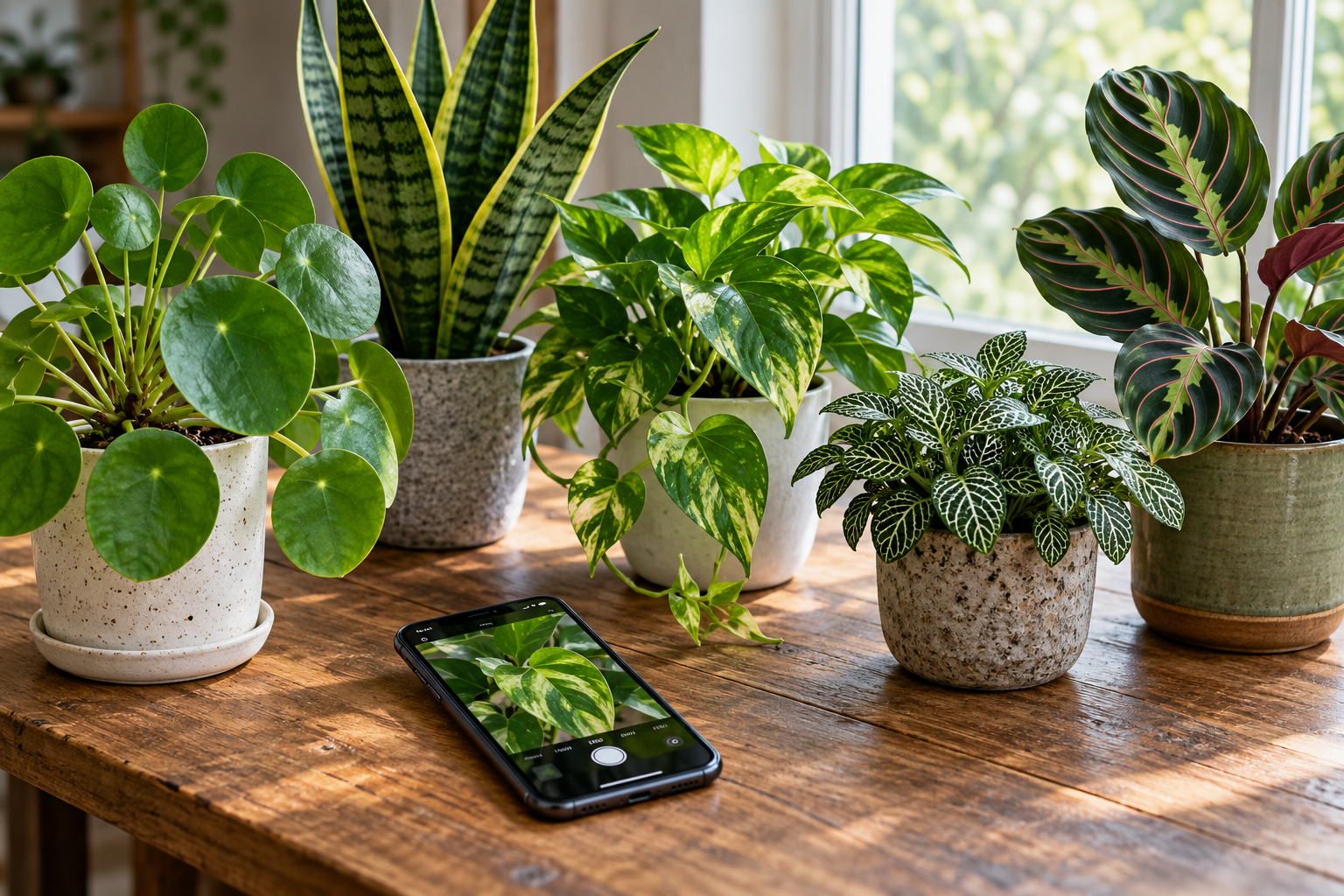
PlantNet is a plant identification app using photographs that helps you investigate species found in gardens, parks, and on walks. You can download it below and start observing leaves, flowers, and fruits more closely. The idea is to transform an everyday question into a learning opportunity, using the suggestions as a starting point to check what's in front of you.

PlantNet Plant Identification
A tool for exploring nature.
PlantNet combines image recognition with a citizen science project. Its main focus is on wild plants, although it can also suggest names for cultivated species. This makes it an interesting option for those who want to learn about the vegetation in their neighborhood, record discoveries on walks, or study botanical characteristics without starting with a technical manual.
The usefulness lies not only in receiving a name. By comparing the photograph with different possibilities, you begin to notice details that previously seemed the same. The shape of the leaves, the arrangement of the flowers, and the appearance of the fruits help to build a more careful observation. This process requires user participation: the first suggestion should not end the investigation.
How to get started with good photography
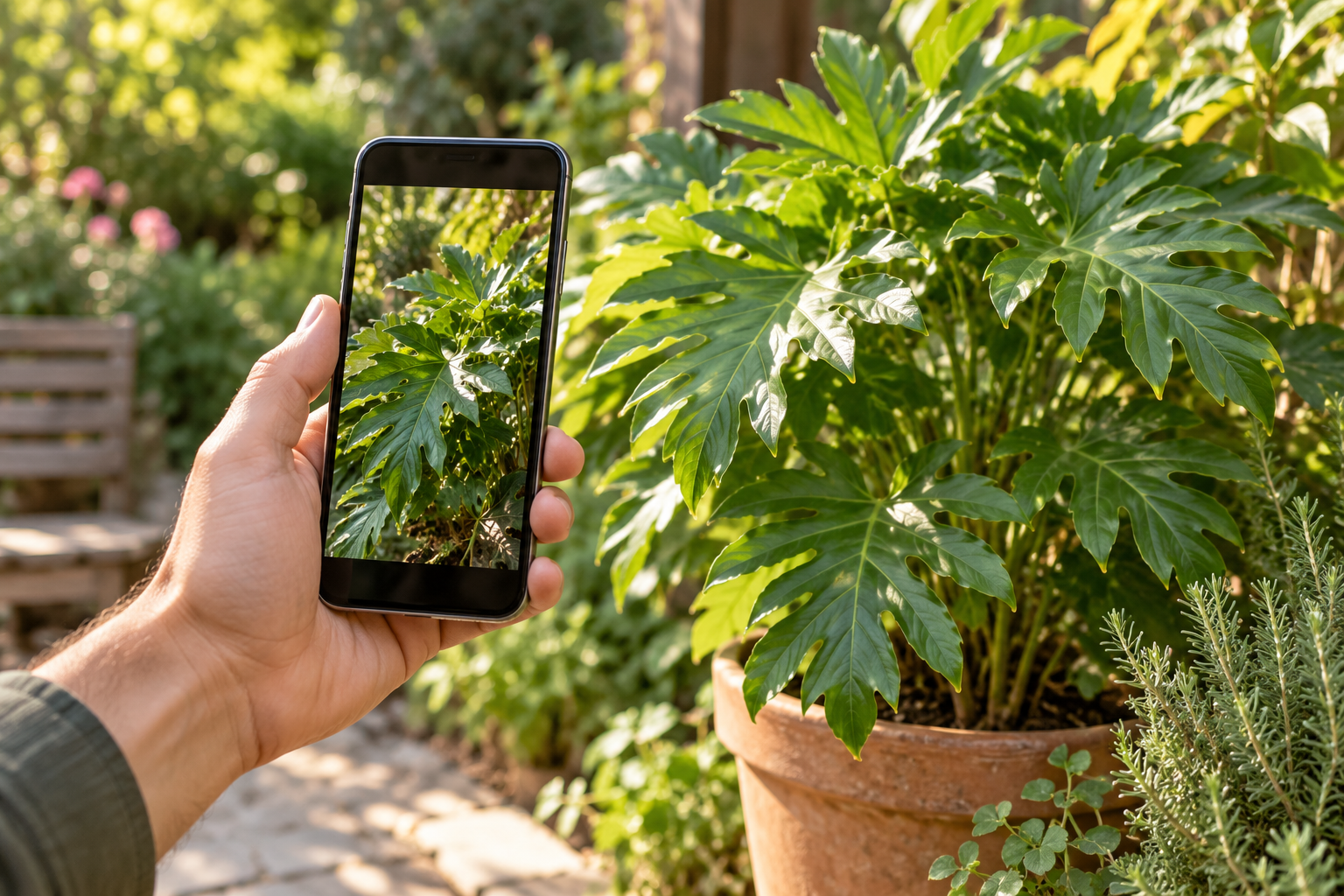
Choose a single plant and photograph a visible part, with sufficient focus and light. Avoid framing several species at the same time, because the background can make it difficult to read the image. When there are flowers or fruits, record these elements as well. A distant photo of the entire plant may show the context, but it doesn't always reveal the details needed to differentiate it.
Try to keep the camera steady and check the image before continuing. If the wind is moving a leaf, wait for a calmer moment. It's not necessary to tear off parts of the plant to produce a useful photograph. Approaching the camera carefully, respecting the environment and the limits of the location, is usually a better approach for observation.
Compare the suggestions before making a decision.
After the analysis, take a few minutes to examine the alternatives. Compare specific details of your photograph with the available images. A flower of similar color, for example, is not enough to confirm a species. Also observe the shape of the petals, the edges of the leaves, and how they are distributed along the stem.
If the results seem inconsistent, take new photographs instead of choosing a name just to be final. Record your doubt and return to the observation at another time, when more characteristics are visible. For learning, a well-examined hypothesis is worth more than a quick answer accepted without comparison. Not every plant can be reliably identified from an image.
Resources that help to deepen the research.
The app offers gallery exploration, filters by botanical groups, flora selection, and access to observations. These features allow users to go beyond the initial photograph and compare related plants. The ability to review observations is also part of the collaborative approach, where records can gain context through community participation.
To make the most of this experience, keep a small observation plan: take photos, compare, note what caught your attention, and revisit any questions. You can apply the same method to a short walk and notice changes over time. The goal is to develop familiarity with the plants without turning each outing into a search for definitive answers.
Limits, privacy and responsible use
Before installing, check compatibility with your device and privacy information in the store. Review camera, photo, and location permissions according to the functions you intend to use. When sharing recordings, avoid photographing people, house plates, or other unnecessary details. It's also worth checking what information accompanies a note before sending it.
PlantNet should not be used as authorization to consume plants, prepare home remedies, or decide if a species is safe for animals. Similar plants can have very different properties. When making an important decision, seek qualified confirmation. For curiosity, study, and discovery, the app offers an accessible path: observe more closely, compare calmly, and continue learning.