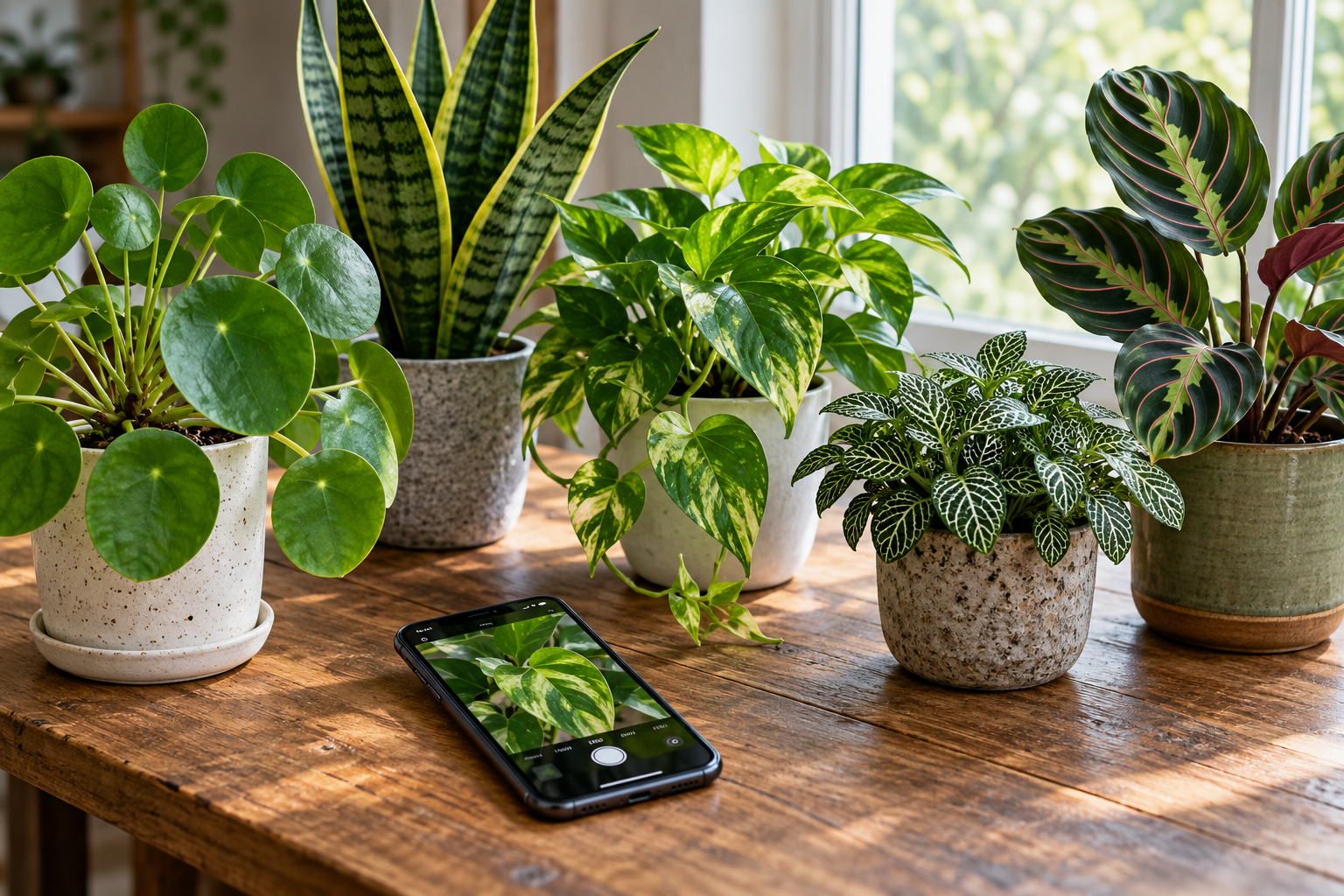
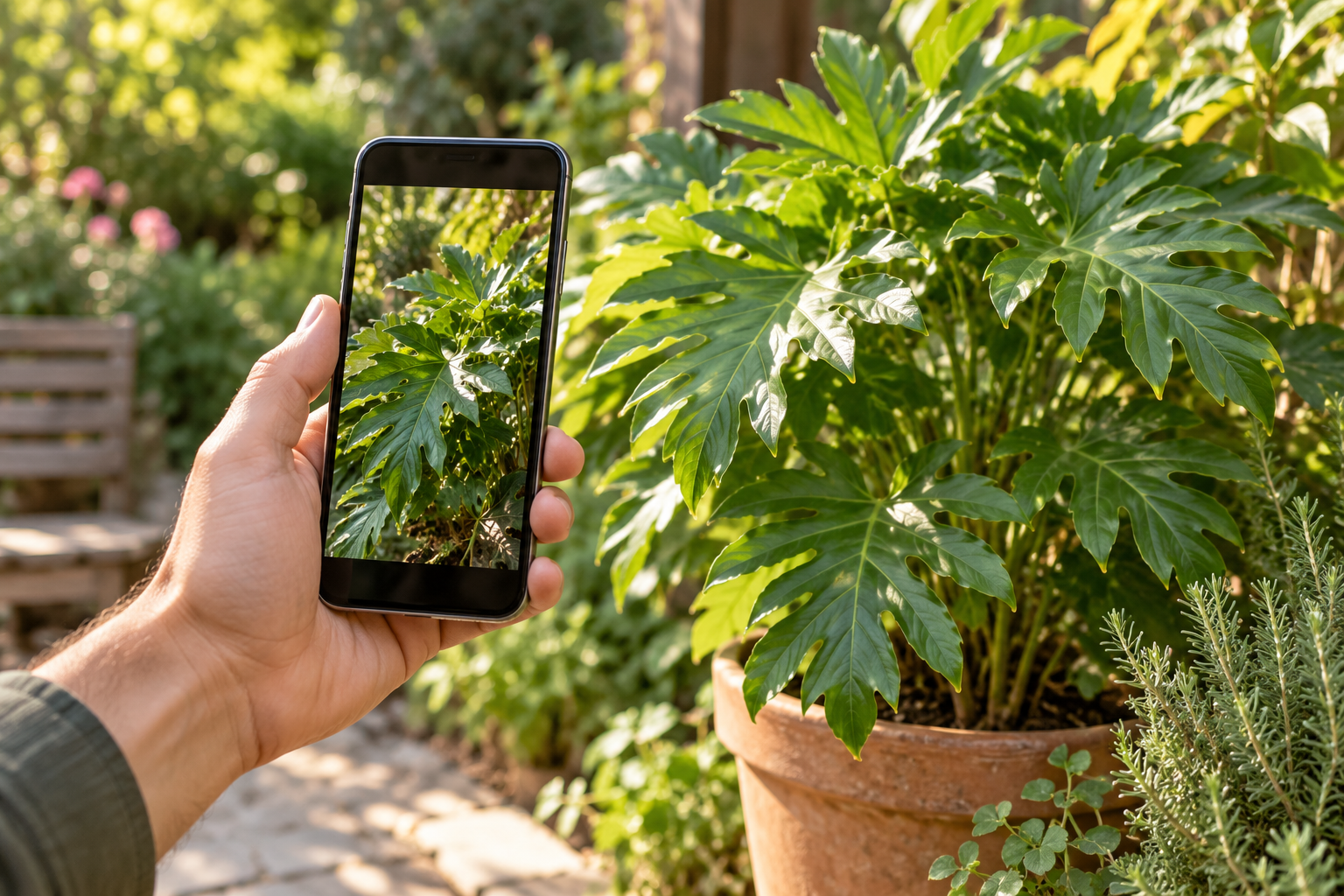
PlantNet, PictureThis, Flora Incognita, Seek, and PlantSnap offer different ways to look up a plant's name using your mobile phone. You can download the apps below, next to each presentation, and choose the one that best suits your routine. There are options focused on observing nature, organizing discoveries, and caring for potted plants. Compare the features and remember that an automatic suggestion needs to be verified.
PlantNet
PlantNet focuses on identifying wild plants through photographs and is part of a citizen science project. It allows users to explore images and observations, compare botanical groups, and select flora. Its unique feature lies in bridging the gap between everyday curiosity and the study of biodiversity, providing space to examine possibilities rather than simply receiving a name.
This can be a good starting point for observing the vegetation in parks and along trails. Photograph details of the same plant, compare the alternatives, and record any questions. For those who are learning, this habit makes the experience more useful than accepting the first answer without looking at the characteristics.

PlantNet Plant Identification
PictureThis
PictureThis combines photo identification and plant care tools. The official description provides cultivation guidelines, watering reminders, and collection organization tips. It also offers image-based problem analysis, which should be interpreted as initial support and not as a definitive diagnosis of the plant's condition.
Your proposal may interest those who want to learn about the pots at home and organize their maintenance routine. There are in-app purchases; check which features are included before accepting an offer or subscription. Adjust any guidance to the actual light, substrate, and environmental conditions.

PictureThis Identify Plant
Flora Incognita
Flora Incognita identifies plants through photographs and presents fact sheets with information about the species. Discoveries can be compiled into a list of observations and viewed on maps. Developed in the context of scientific research, the app states that it is free, with no ads, premium version, or subscription.
It's an alternative for those who prefer to track their observations and learn more about wild plants. A good way to use it is to revisit your own records and compare what changes between seasons. The available information helps with study, but the quality of the photos remains important for evaluating the suggestions.

Flora Incognita
Seek by iNaturalist
Seek uses the camera to suggest the identification of plants and other organisms. It includes challenges and badges associated with observations, adding a playful dimension to nature discovery. Registration is not required to begin; optional integration with an iNaturalist account has its own terms and conditions and alters how certain data is handled.
It's ideal for educational outings and for those who enjoy learning by observing their surroundings. Its scope extends beyond plants, including other groups of living beings. When exploring with children, maintain supervision and prioritize observing without touching or collecting organisms. The goal is to discover and learn responsibly.

Seek, from iNaturalist
PlantSnap
PlantSnap offers image identification, name search, and organization of discoveries into collections. Its official presentation also highlights a community, exploration of records on maps, and cultivation information. Thus, it can be used both to investigate a photograph and to continue researching a plant whose name you already know.
The store displays ads and in-app purchases. Review usage limits and offer terms before deciding. When consulting shared records, note differences in environment and appearance: finding a similar photo does not, by itself, confirm that the observed plant belongs to the same species.

PlantSnap: Identify plants
How to choose your app
Start by defining your goal: studying wild plants, organizing discoveries, or keeping track of houseplants. Then compare the clarity of the interface, the information available, permissions, and costs. Testing an option with plants you already know helps you understand the workflow, but it doesn't represent a scientific evaluation of its accuracy. Availability can also vary depending on the device and region.
Precautions for interpreting the results
Use clear images, one species at a time, and look for details of leaves, flowers, and fruits. If two apps disagree, keep the identification open and seek qualified confirmation. Do not use these results to decide on consumption, medicinal use, or animal safety. The best app will be the one that helps you observe carefully and recognize when information is still missing.